When winter storms hit North Carolina, they bring unique challenges that catch many Triangle residents off guard. Unlike northern states that experience consistent winter weather, our region faces unpredictable ice storms, sudden temperature drops, and occasional heavy snow that can cause significant property damage and dangerous driving conditions. Understanding what your insurance covers—and taking preventive steps before storms arrive—can protect both your property and your peace of mind.
At Grimes Insurance Group, for 3 generations the Grimes family has been a trusted risk advisor for their clients in North Carolina. We’ve seen how quickly a winter storm can turn from a minor inconvenience into a major insurance event, and we want you to be prepared.
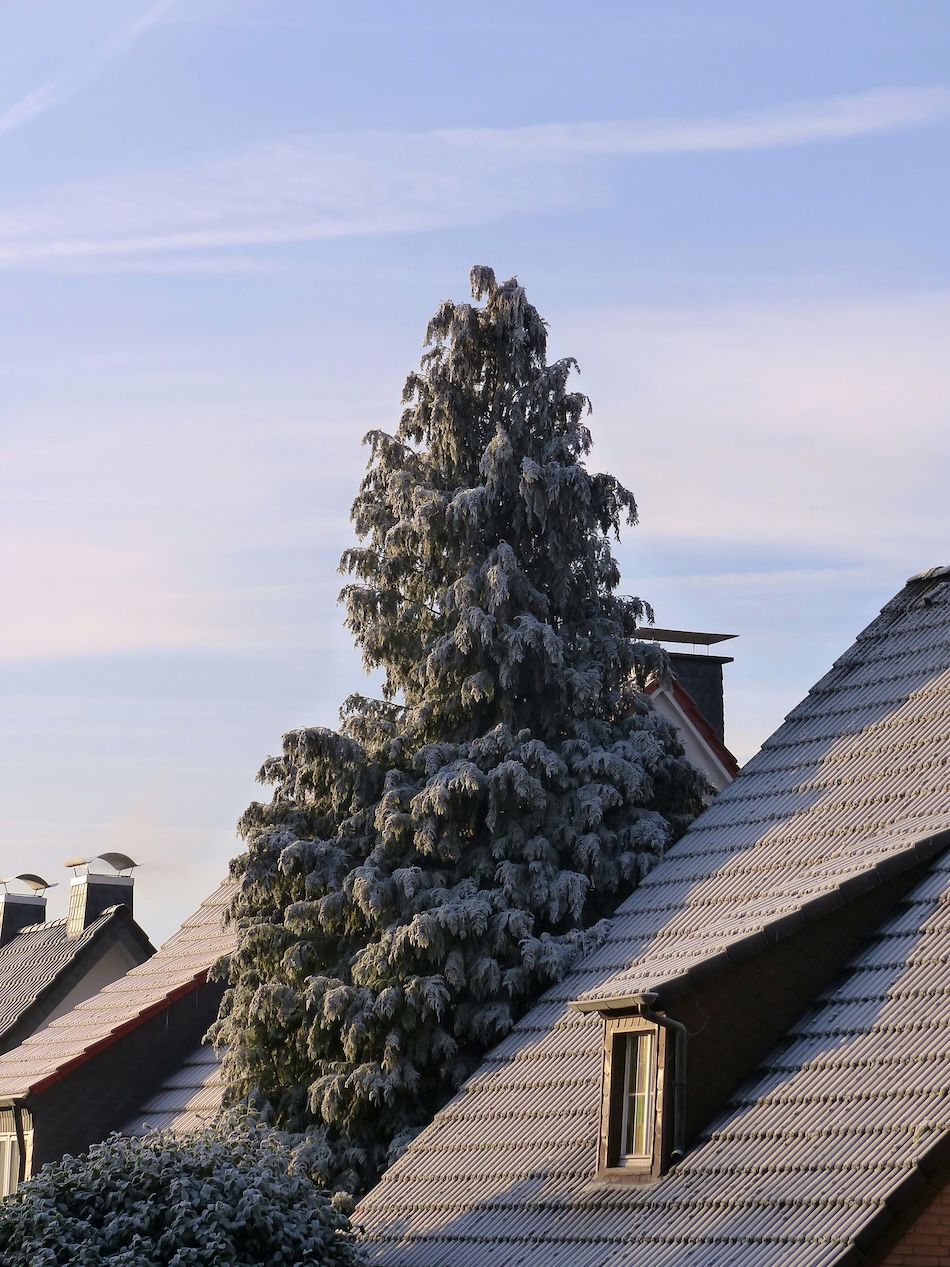
Your North Carolina homeowners insurance typically covers sudden and accidental damage caused by winter weather events, but coverage has important limitations. Standard homeowners policies generally cover damage from ice, sleet, and snow weight that causes your roof to collapse or damages your home’s structure. If a tree falls on your house during an ice storm, that’s typically covered under your dwelling coverage. Wind damage from winter storms is also usually included in your policy.
However, your policy likely excludes damage that results from lack of maintenance or gradual deterioration. If your roof was already in poor condition and collapses under snow weight, your claim may be denied. Similarly, if you knew your gutters were clogged and ice dams form causing water damage, you might face coverage challenges. This is why pre-winter home maintenance isn’t just good practice—it’s essential for protecting your insurance coverage.
Power outages during winter storms create a gray area in homeowners insurance. Your policy typically does not cover food spoilage from power outages unless the outage was caused by direct damage to your property. For example, if an ice-laden tree falls on your home and damages your electrical system, resulting food loss would likely be covered. But if Duke Energy experiences widespread outages affecting your neighborhood, you’re generally responsible for spoiled food.
Some homeowners policies offer limited coverage for food spoilage—often $500 to $1,000—but you’ll need to check your specific policy. Many North Carolina homeowners don’t realize they can purchase additional coverage for refrigerated items through an endorsement.

Frozen and burst pipes represent one of the most common and expensive winter insurance claims in North Carolina. When temperatures drop suddenly—which happens frequently in our region—pipes in unheated areas like attics, crawl spaces, and exterior walls are vulnerable. A single burst pipe can cause tens of thousands of dollars in water damage.
Your homeowners insurance typically covers burst pipe damage if you’ve taken reasonable steps to prevent freezing. This means maintaining heat in your home, insulating exposed pipes, and draining outdoor faucets before winter. If you’re traveling during cold weather, you must maintain heat at a minimum temperature—usually 55 degrees Fahrenheit—or drain your water system entirely.
Before winter weather arrives, insulate pipes in unheated areas with foam pipe insulation, disconnect and drain garden hoses, seal air leaks near pipes, and know where your main water shutoff valve is located. During freezing weather, let faucets drip slightly to keep water moving, open cabinet doors under sinks to allow warm air circulation, and keep your thermostat at a consistent temperature day and night.
If you’re leaving town during winter, arrange for someone to check your home daily, set your thermostat to at least 55 degrees, and notify your insurance agent about your travel plans.

North Carolina drivers face particular challenges during winter weather because ice storms and black ice are more common than heavy snow, and many drivers lack experience navigating winter conditions.
Collision coverage pays for damage to your vehicle regardless of fault, which is essential during winter weather when accidents often involve multiple factors. If you slide on ice and hit a guardrail, collision coverage handles your vehicle repairs minus your deductible. Comprehensive coverage protects against non-collision incidents like a tree falling on your parked car during an ice storm.
Filing a claim after a winter weather accident will likely affect your insurance rates, but the impact varies based on your driving history and whether you were at fault. In North Carolina, insurance companies can consider at-fault accidents when setting rates for three years.
Before filing a claim for minor winter weather damage, compare your repair costs to your deductible and potential rate increases. If damage costs $800 and your deductible is $500, you’d only receive $300 from your insurance company—but your rates might increase by more than that over the next three years.
Proper documentation can make the difference between a smooth claims process and a denied claim. Before winter weather arrives, photograph your property’s current condition, including your roof, gutters, siding, and any trees near structures. Keep receipts for maintenance and repairs that show you’ve properly maintained your property.
As soon as it’s safe after a winter storm, photograph and video all damage from multiple angles, document the date and time damage occurred, make temporary repairs to prevent further damage but save receipts, contact your insurance agent or company immediately to report the claim, and keep damaged items until your adjuster has inspected them.

Taking preventive steps before winter weather arrives protects your property and ensures your insurance coverage remains valid.
For your home: trim trees and remove dead branches, clean gutters and downspouts, inspect your roof for damaged shingles, seal air leaks around windows and doors, insulate pipes in unheated areas, and service your heating system before cold weather arrives.
Create an emergency kit with: flashlights and extra batteries, portable phone chargers, non-perishable food and water for three days, battery-powered radio, first aid kit, necessary medications, and blankets.
Keep your vehicle’s gas tank at least half full during winter months, and store sand or cat litter in your trunk for traction.
Yes, homeowners insurance typically covers roof damage caused by the weight of ice and snow, including collapse. However, coverage may be denied if your roof was poorly maintained or already damaged before the storm.
If covered damage makes your home uninhabitable, your homeowners policy’s additional living expenses coverage pays for temporary housing, meals, and other necessary costs above your normal expenses.
Immediately contact someone who can access your home to shut off the main water supply. Contact your insurance company right away to report the claim. Document the damage with photos and videos as soon as you return.
Most North Carolina homeowners policies require prompt notification of damage, typically within 60 days, though the exact timeframe varies by insurer. Report damage as soon as it’s safe to do so.
North Carolina’s unpredictable winter weather demands insurance coverage that protects you when storms strike. At Grimes Insurance Group, for 3 generations the Grimes family has been a trusted risk advisor for their clients in North Carolina. As an independent Trusted Choice® Agency, we work with multiple A+ rated carriers to find coverage that fits your specific needs and budget.
Don’t wait until the forecast shows ice and snow to review your coverage. Contact us today at 919.847.7534 or visit our office at 112 Wind Chime Ct in Raleigh to discuss your homeowners, auto, and business insurance needs. We’ll review your current policies, identify any coverage gaps, and help you create a comprehensive protection plan for winter weather and beyond.
